







Ever had a tradesperson tell you something “can’t be done”? You probably nodded, accepted their expertise, and started looking for expensive alternatives that compromised your carefully planned aesthetic.
But here is the reality: Your tradies aren’t always right.
Mastering the art of questioning tradies’ renovation advice is often the difference between a standard finish and a profitable, high-end result. It isn’t about being difficult; it’s about distinguishing between what is truly impossible and what is simply inconvenient for them.
The “Convenience Gap” Definition:
In renovation, a Convenience Gap occurs when a tradesperson labels a task “impossible” because it requires extra effort, new tools, or conflicts with their standard workflow not because it violates building codes or physics.
Understanding when to challenge this “no” could save your design vision and your budget. For more on navigating these conversations, read our guide on How to Hold Your Own When Working with Trades.
Case Study: When a Tradie Rejects Your Bathroom Lighting
I had a call from the electrician regarding our current Sydney Class Project this week.
He was completing the electrical fit-off and delivered what sounded like definitive news: the wall light I bought for the bathroom could not be used because it was too close to the shower. He insisted it needed to be 12V.
I was annoyed. The fixture was perfect for the mid-century aesthetic we were achieving.
This is where most renovators fall into the “Passive Acceptance Trap.”
The Passive Acceptance Trap is the costly mistake of immediately accepting a tradesperson’s limitation without asking if there is a lawful workaround or alternative solution.
Most people would have returned the light and bought a generic replacement. But successful renovators know that questioning tradies’ renovation advice isn’t about being difficult it’s about finding the solution that meets both the regulations and your vision.
For more tips on lighting specifically, check out our guide on Using the Magic of Lighting to Boost Profits.
How Much Does Compromising Your Design Vision Actually Cost?
When I went looking for the 12V alternatives the electrician suggested, all I found were ugly outdoor lights that would have completely ruined my carefully planned aesthetic.
Think about the chain reaction in this scenario. You’ve already purchased the perfect fixture. You’ve designed the room around it. Your entire “mid-century” hook depends on it.
Now you’re being told to replace it with something that destroys that vision.
The cost isn’t just the price of a new light. It is what we call “The Design Devaluation Effect.”
The Design Devaluation Effect:
This occurs when a series of small compromises (like generic lighting or safe tile choices) erodes the “emotional premium” buyers are willing to pay, potentially lowering your final sale price by $10,000 to $20,000.
The financial hit is twofold:
- Immediate Waste: The sunk cost of the original fitting plus the new purchase.
- Future Loss: A bathroom that lacks the cohesive appeal needed to secure a top-tier sale price.
Don’t let your hard work go to waste. [cite_start]Read our guide on 10 Ways to Avoid Your Reno Looking Amateur to keep your standards high.
The Solution: Converting Standard Fixtures to 12V
We have a “Super Problem Solver” on The School of Renovating team: Stephen Janson.
When I explained the electrician’s refusal, Stephen didn’t see a dead end; he saw a technical workaround. He advised that the standard fixture could be converted to safe, low-voltage usage simply by adding a transformer and swapping the bulb for a 12V globe.
Simple solution. Design preserved. Budget protected.
💡 Renovation Pro Tip: The 12V Conversion Hack
If a tradesperson says a light fixture is “unsafe” for a bathroom zone (usually Zone 1 or 2), ask if it can be converted. By installing a remote transformer (placed in the ceiling cavity) and using a 12V bulb, you can often make a standard fixture compliant with safety regulations without changing the aesthetic.
This is the essence of profitable renovating: knowing that “no” is often just the starting point for a better solution.
For more insights on building a team that solves problems for you, read our article on Finding Renovation Trades.
The “Sourcing Gap”: Why You Should Double-Check Availability
The electrician immediately shut down the solution: “You won’t be able to source a 12V globe that fits that existing fitting.”
You guessed it. I hopped online and found exactly what I needed in minutes a 12V globe that fit my fixture perfectly.
The lesson? Don’t just accept “no” from your trades without questioning it.
This wasn’t about the electrician being incompetent or dishonest. It was about him operating within the limits of his current knowledge. This is what we call “The Sourcing Gap.”
The Sourcing Gap:
Tradespeople are often experts in installation and compliance, but they may not be up-to-date on every niche product available on the market. It is the renovator’s job to bridge this gap by researching specific product solutions.
By doing that quick search, I saved the design and the budget. For more strategies on effective collaboration, read our 3 Tips to Manage Your Renovation Projects.
Why Even Experienced Tradespeople Have Knowledge Gaps
Even experienced professionals have knowledge gaps or might suggest the easiest solution for them rather than the best solution for your project.
Sometimes they are operating on outdated information or simply haven’t explored all possibilities. This is often due to “The Path of Least Resistance” sticking to methods they know by heart to save time.
The Renovator’s Reality Check:
- Your Electrician: Knows safety and wiring codes inside out. But: He may not know every niche lighting product available in the market right now.
- Your Plumber: Knows flow rates and drainage. But: He might not know about the slimline fixture that solves your tight space constraint.
- Your Builder: Knows structural integrity. But: He might default to the method he’s used for twenty years instead of exploring a modern alternative.
Recognizing these gaps doesn’t mean you don’t trust them; it means you are taking responsibility for the vision.
For more on building a team that respects your role as the project manager, read Getting Your Reno Trades Team Right.
How to Question Tradies (Without Conflict)
Challenging advice doesn’t mean disrespecting expertise. It means being a collaborative partner in finding solutions rather than a passive recipient of limitations.
When your tradie says something “can’t be done,” do not accept it immediately. Instead, use “The Help Me Understand Framework.”
Step 1: Validate & Investigate
“I understand that is a challenge. Can you help me understand the specific technical reason why it can’t be done?”
(This shows respect for their expertise while digging for the root constraint.)
Step 2: Hypothetical Solution
“If we could solve [specific constraint, e.g., the voltage issue], would this design then work?”
(This isolates the problem from the person, making it a puzzle you solve together.)
Step 3: The Research Pause
“I’m going to do some quick research on alternatives/products. Can we revisit this once I’ve explored a few options?”
(This buys you time to bridge the “Sourcing Gap” without demanding an immediate answer.)
Most good tradies will appreciate working with someone who thinks strategically about solutions rather than just accepting surface-level limitations.
The “Compromise Compound Effect”: Why You Must Push Back
Knowing when to trust your trades and when to push back has saved our students thousands of dollars and countless design compromises.
Think about that across an entire renovation project.
One light fixture might seem small. But if you accept every “no,” you suffer from “The Compromise Compound Effect.”
The Compromise Compound Effect:
In renovation, this is the cumulative loss of value that occurs when you accept the “easiest” path for every trade decision. A smaller window here, a generic tile there, and a standard layout there can collectively reduce your final sale price by 5-10%.
Don’t let these “micro-compromises” drain your profit. Watch out for these common friction points:
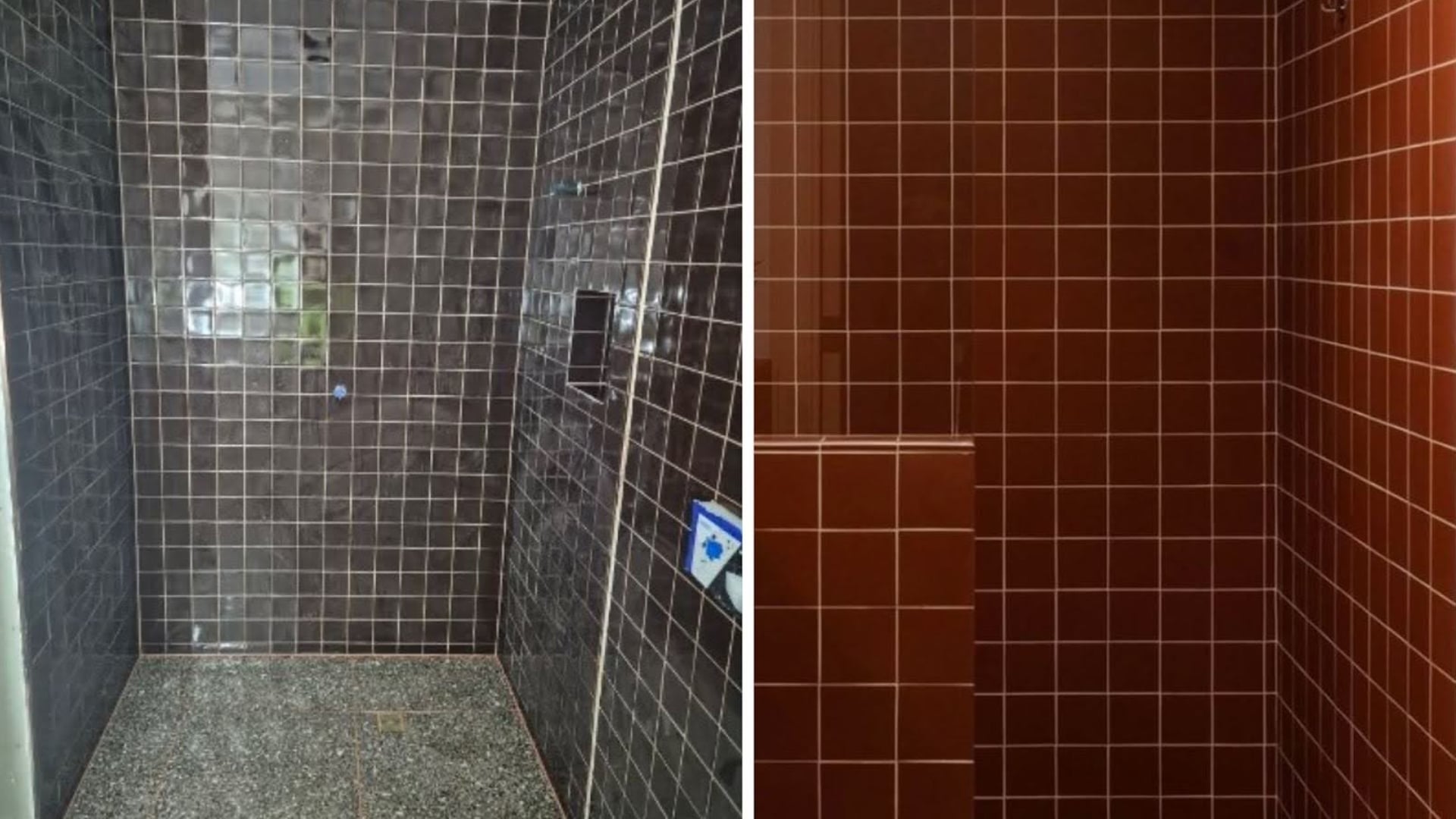
- The Splashback: The tiler says it “can’t be installed” in a herringbone pattern (because it takes longer).
- The Window: The builder says it “has to be” a standard off-the-shelf size (because custom takes effort).
- The Layout: The plumber insists the toilet “won’t work” in the new spot (without checking floor joist options).
- The Finish: The supplier claims the brass tapware “isn’t available” (because they only stock chrome).
Each time you accept “impossible” without exploring alternatives, you are either spending more money or compromising your design vision. And both of those directly impact your profit.
The $50,000 Difference: Your Next Renovation Conversation
The next time a tradesperson tells you something “can’t be done,” pause.
Ask why. Understand the real constraint. Do your research. You might be surprised at what becomes possible when you question the impossible.
This moment is what we call “The Profit Pivot Point.”
The Profit Pivot Point:
The specific moment in a renovation where you choose to dig deeper instead of giving up. The difference between a $50,000 profit and a $100,000 profit often comes down to these small pivot points where you protect your vision rather than accepting a “no.”
Your design vision matters. Your budget matters. And your willingness to be an active problem-solver rather than a passive order-taker is what turns renovation passion into renovation profit.
Don’t just accept “no” from your trades without questioning it.
Ready to master this mindset?
Join hundreds of other women doing exactly this in our Wonder Women Renovators Program and start running your renovations like a business.