


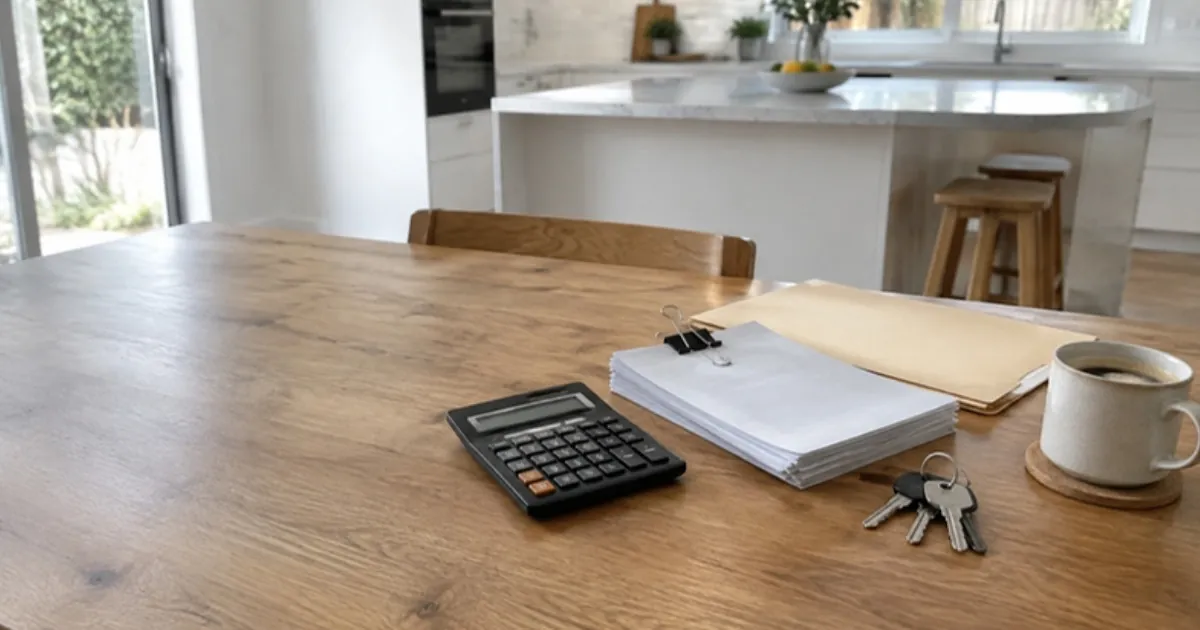
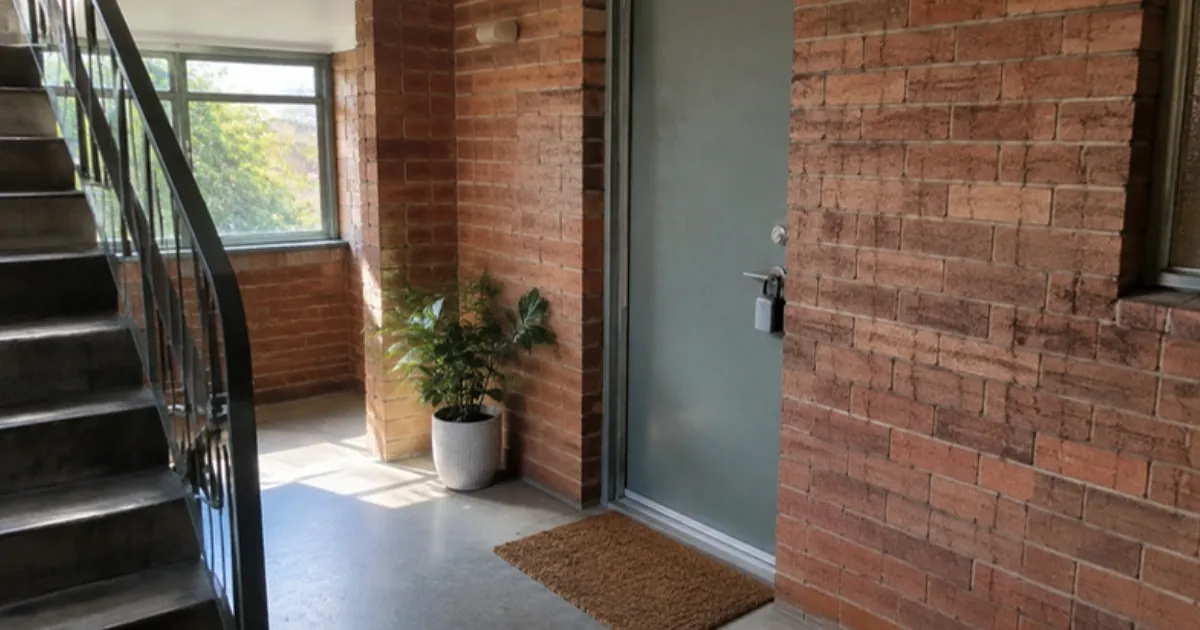

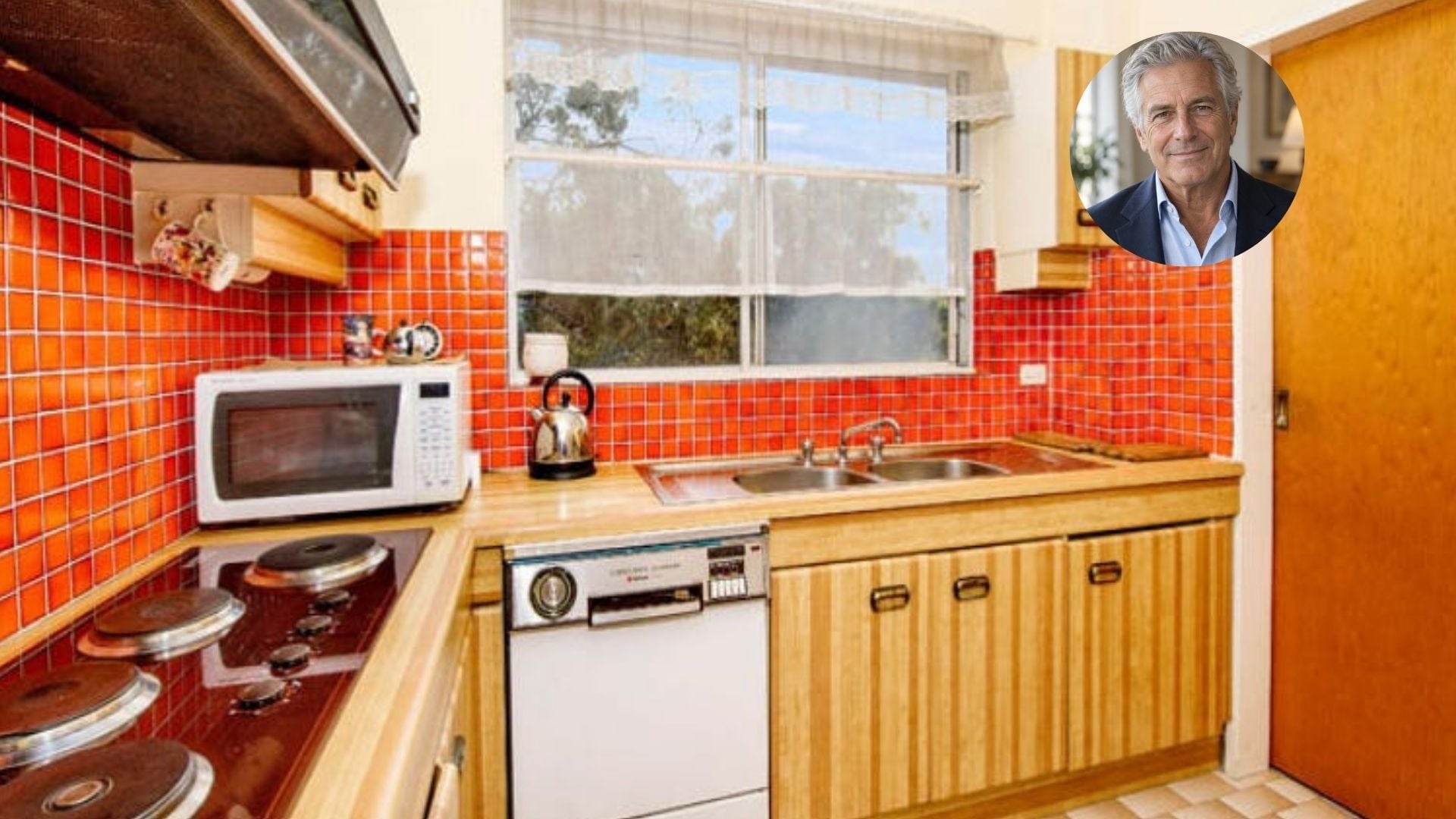
We’re in the final couple of weeks of our project.
Action stations.
Here’s something the glossy reno shows skip. The last two weeks are problem-solving weeks. All the little things that don’t quite work the way you planned need sorting, fast.
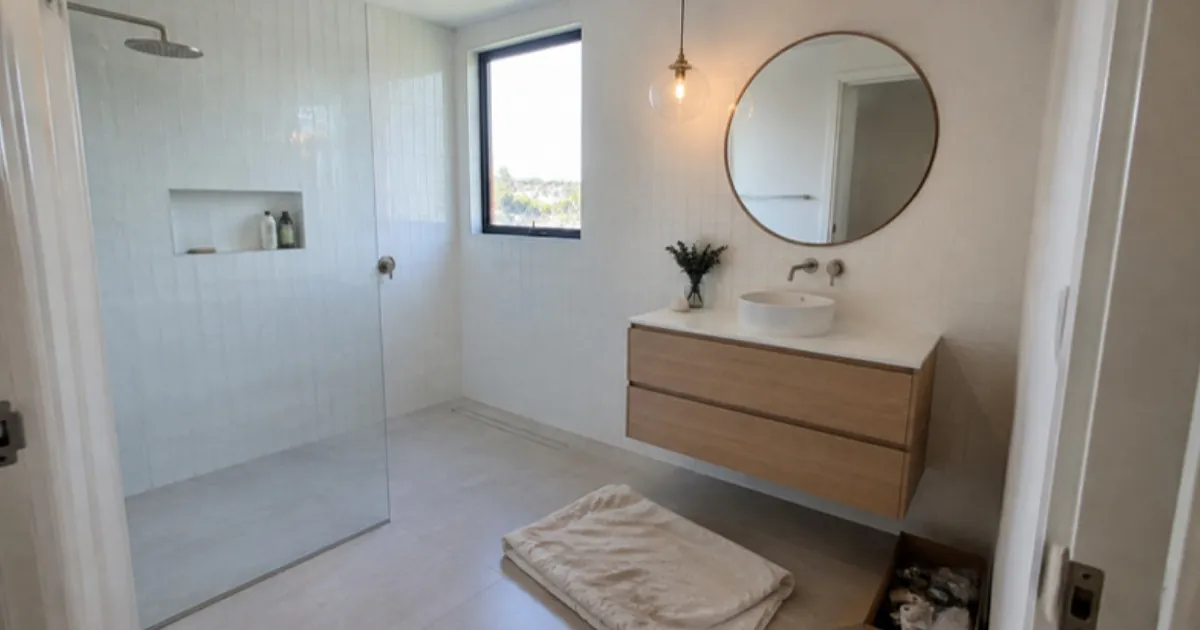
One of mine is a light. The ensuite pendant.
An IP44 bathroom light is sealed against solid objects over 1mm and against water splashing from any direction. It’s the minimum most electricians want near a shower, bath or basin. Finding a pretty one is harder than it should be.
Here’s what the rating means, where it applies, and the other last-minute problems on my list.
What Does IP44 Mean for Bathroom Lights?
The two numbers in an IP rating
IP stands for “ingress protection” – how well a light keeps out dust and water.
- The first number is for solids, like dust and fingers. A 4 means objects over 1mm stay out.
- The second number is for water. A 4 means it can handle splashes from any direction.
The higher the number, the better the protection. You’ll also see IPX4, where the X means it hasn’t been tested for solids, only water.
Why bathrooms need it
Water and electricity don’t mix. Steam, splashes and a shower spraying sideways all find their way into fittings that aren’t sealed.
A light that isn’t rated for the spot can fail early. Worse, it can be dangerous.
Bathroom Lighting Zones in Australia
How the zones work
The wiring rules, AS/NZS 3000, divide a bathroom into zones based on how close you are to water.
As Edison Light Globes and Urban Lighting summarise them:
- Zone 0: inside the bath or shower base. Only special low-voltage lights, IPX7 or higher.
- Zone 1: directly above the bath or shower. IPX4 at a minimum.
- Zone 2: the area around the shower, bath and basin. IPX4, double insulated, low voltage or recessed, depending on the fitting.
- Zone 3: further away. No IP rating required, though many suppliers suggest IP44 anyway because of the steam.
Where a pendant can hang
This is where my ensuite pendant comes in.
A pendant hanging near the shower or bath may fall inside a zone, depending on the ceiling height and how far it drops. If it does, it needs the right rating – or it needs to move.
Screens and doors can also change where a zone ends.
The exact zone boundaries depend on your layout. A licensed electrician will check yours against the standard. Ask before you buy the light, not after.
Finding a pretty IP44 pendant
Most IP44 lights are designed to be practical. Plain glass. Chrome. Very “bathroom”.
Three tips that help:
- Look in the outdoor lighting range. Many decorative outdoor pendants are IP44 or higher.
- Check the box, not the photo. The rating should be printed on the product or its specifications.
- Ask your electrician before you fall in love. It saves the heartbreak.
The Other Last-Minute Problems on My List
Kitchen handles
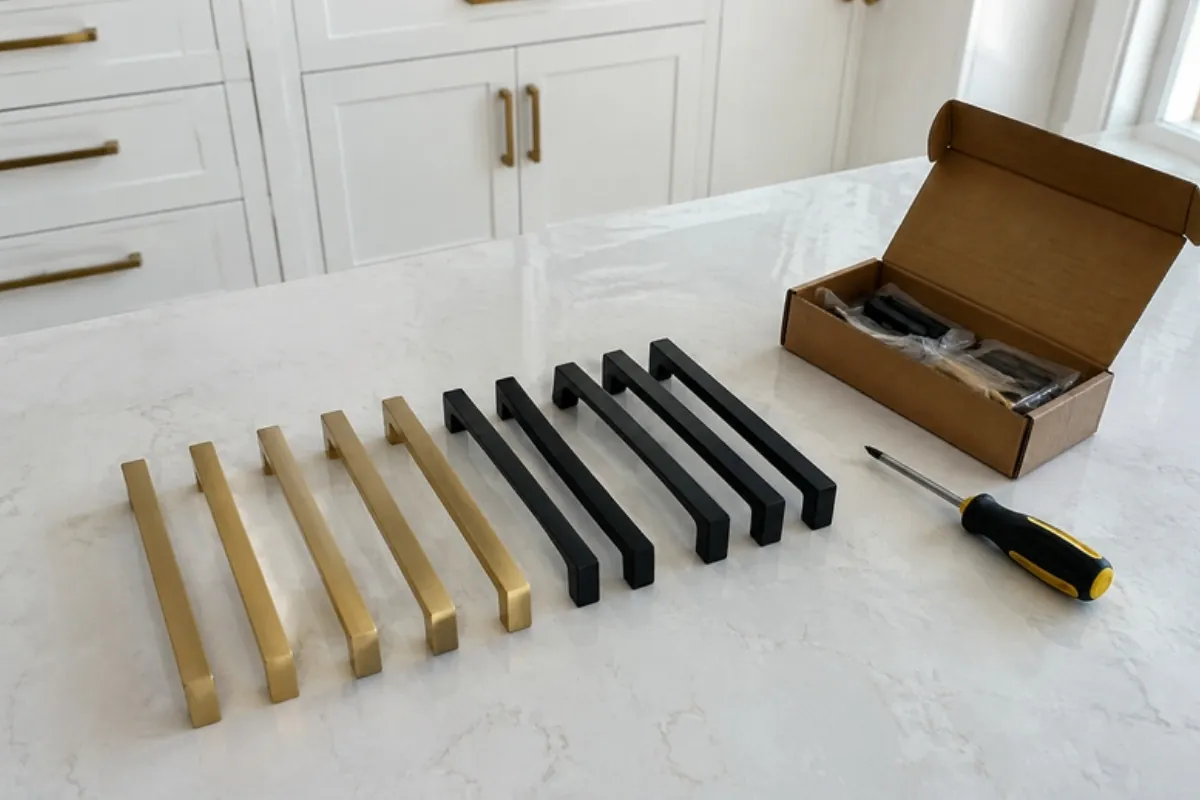
The kitchen arrives Wednesday. The right handles haven’t.
They need to be here by Thursday.
The lesson? Order hardware early, and have a backup option you’d be happy with.
A mystery puddle
Leak, or did a tradie spill something?
I’m watching it.
Never ignore water in a renovation. Dry it, mark it, check it again tomorrow. If it comes back, call the plumber before the floor goes down.
Six trades in one week
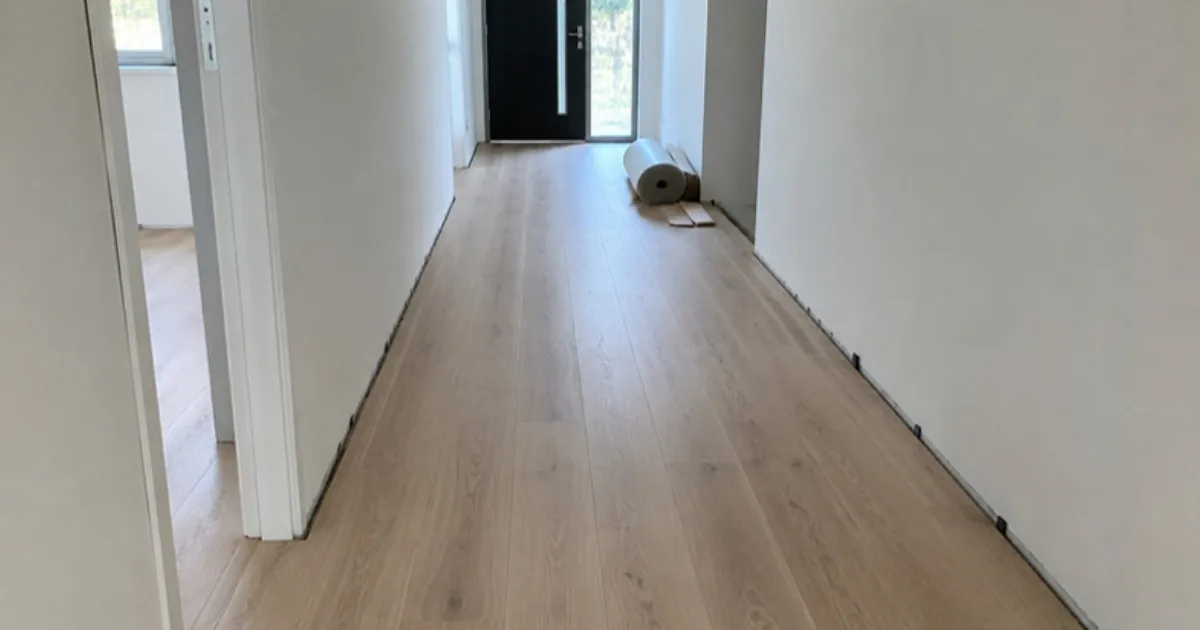
This week: plumber, electrician, painter, joinery, stonemason. Flooring on Monday.
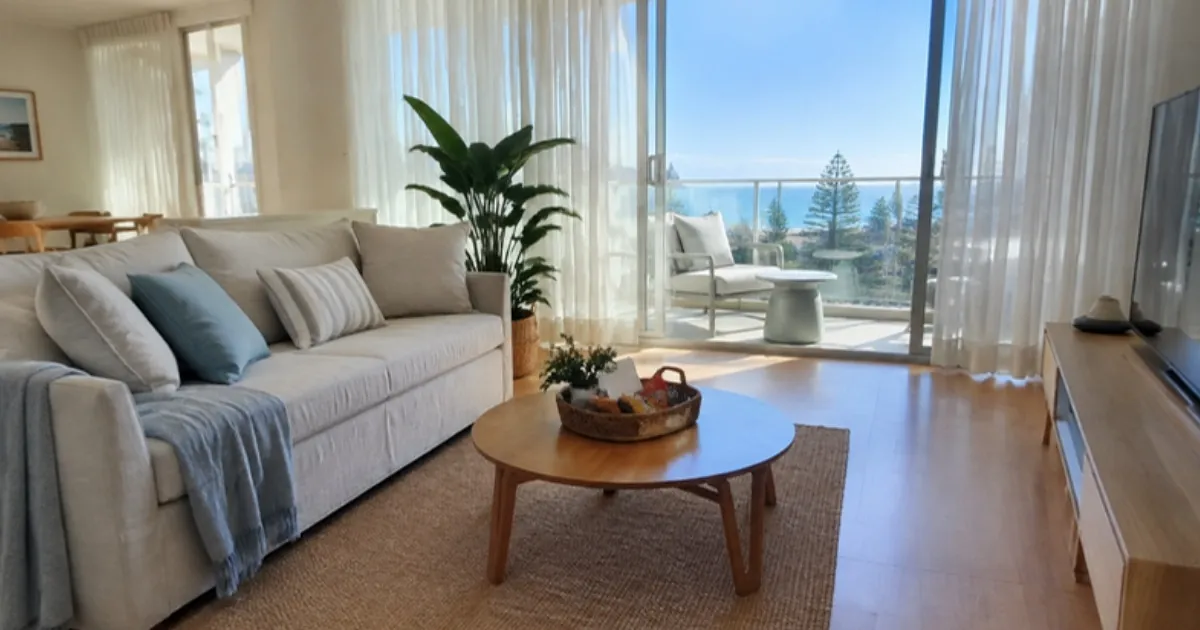
Then we style and go to market.
The good news? The window frames have been spray-painted by one of our team and look amazing. The arch is in. The main bedroom is lovely and light.
Plan for the Problem-Solving Weeks
Every renovation has them. The last two weeks are when small things go wrong at once.
Order the fiddly items early – handles, lights, tapware. Check the IP rating of every bathroom light before it’s ordered. And keep a list, so nothing gets lost in the rush.
For more on the small details that protect a bathroom, read about the $50 puddle flange. And for a full system, see the renovation safety checklist. If you’re planning a renovation and want help with the order of works, book a discovery call.
IP44 Bathroom Lights: Your Questions Answered
What does IP44 mean?
It means the light is protected against solid objects over 1mm and against water splashing from any direction.
Do bathroom lights need to be IP44?
It depends on the zone. Lights directly above a shower or bath need at least IPX4. Further away, the rules relax, but many suppliers still suggest IP44 because of the steam.
Can you put a pendant light in a bathroom?
Yes, if it sits outside the wet zones or has the right rating for its zone. Ceiling height and the drop of the pendant matter. Ask a licensed electrician.
What’s the difference between IP44 and IPX4?
Both handle water splashes. IP44 is also rated against solids over 1mm. IPX4 hasn’t been tested for solids.