

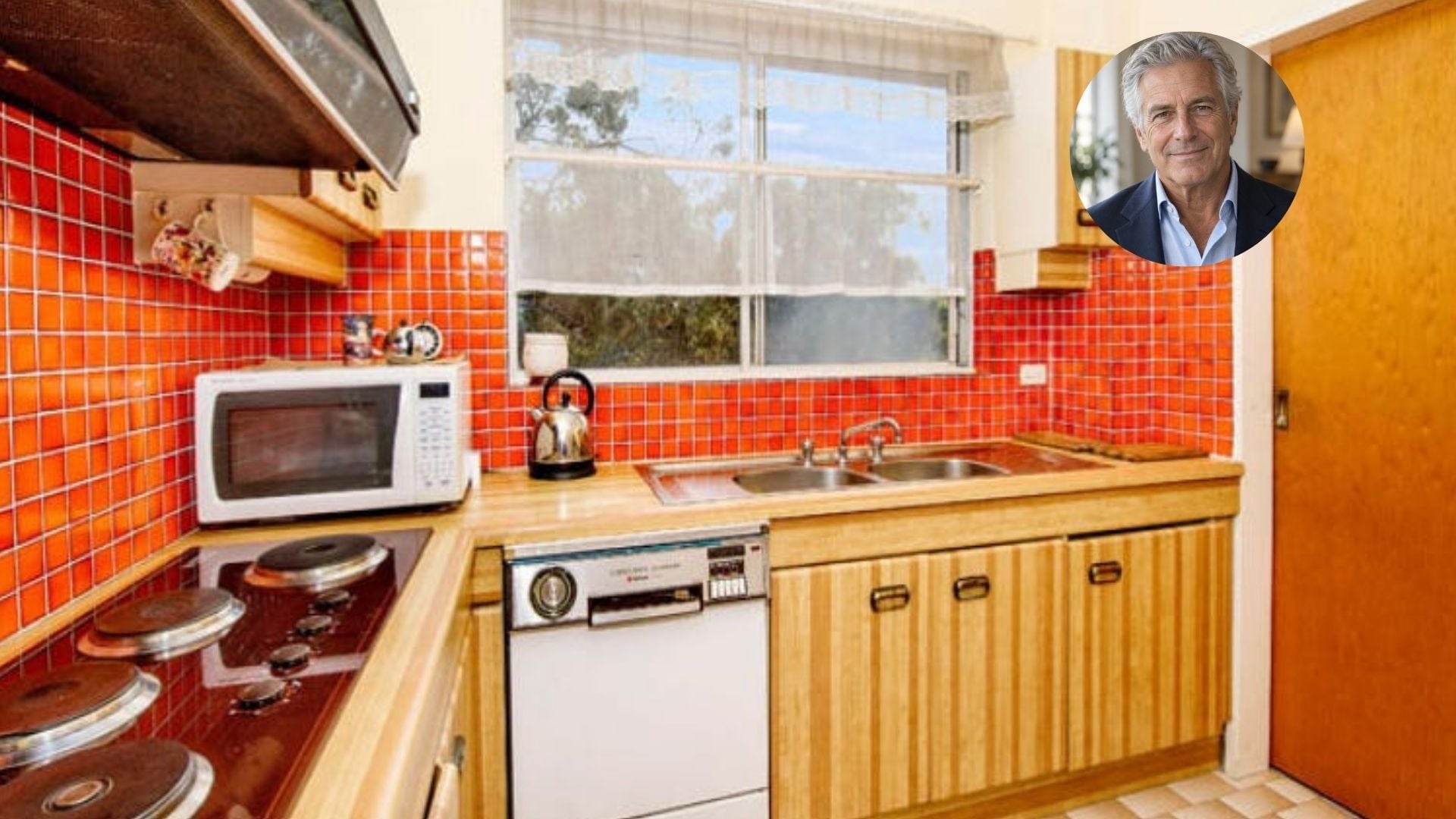
“How do I get a landlord to let me lease their place and list it on Airbnb?”
I get asked this a lot.
Wrong question.
I know, because I did Airbnb arbitrage myself, ten years ago. It worked for a while. I wouldn’t touch it now.
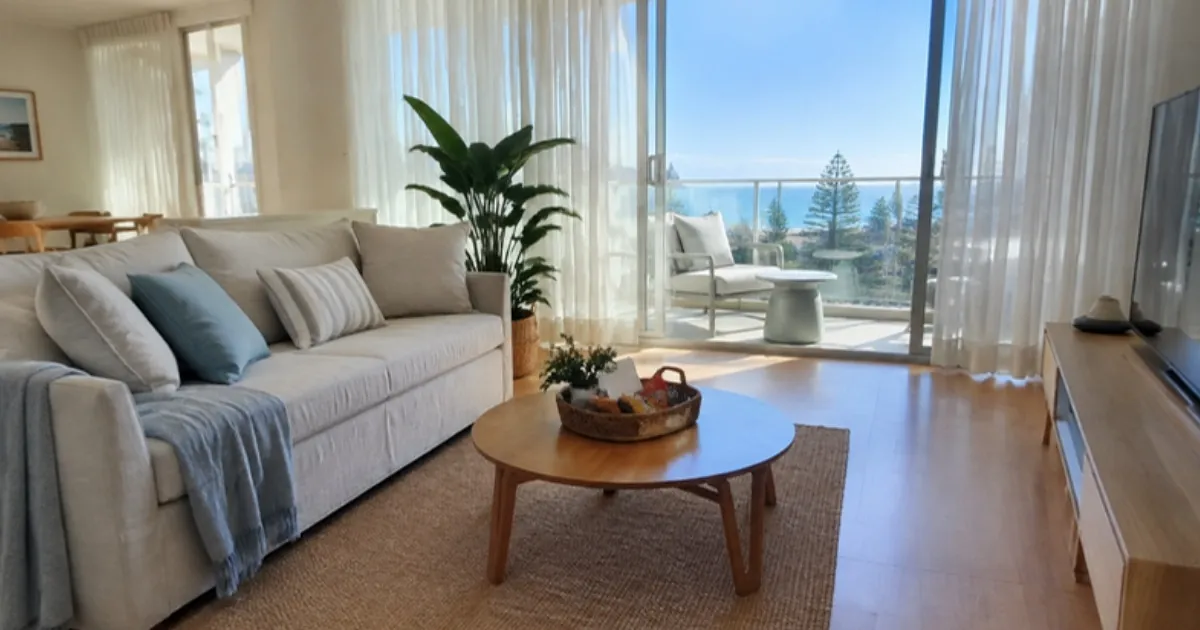
Airbnb arbitrage means leasing a property from a landlord on a standard lease, then renting it out on Airbnb for more than you pay in rent. The gap is your profit. If there is one.
In Australia today, I think it’s the wrong strategy for these times. Here’s why – and what I’d do instead.
What Is Airbnb Arbitrage, and Why Was It So Popular?
The rent-to-rent model in one paragraph
You sign a lease. You furnish the place. You list it on Airbnb or Stayz. If your nightly income beats your weekly rent plus costs, you keep the difference.
No deposit. No mortgage. No stamp duty.
That’s the pitch, and ten years ago it was a good one. Holiday rentals were new, rules were thin, and a landlord could be talked into almost anything.
Is Airbnb arbitrage legal in Australia?
It can be. But it’s legal only when every layer says yes.
First, your landlord. In Victoria, tenants need the landlord’s written permission to sublet. A Supreme Court of Victoria case found that Airbnb guests had “exclusive possession” of a rented apartment – which made it a sublease that needed the landlord’s consent. Most leases elsewhere have similar terms, so read yours.
Then the strata by-laws, the council and the state rules. All four have to line up.
Three Reasons I Wouldn’t Do Airbnb Arbitrage Now
1. We’re in a housing crisis
Taking homes away from families who need a roof over their heads just isn’t right.
Every long-term rental turned into a short stay is one less home for a local family. Councils, renters and governments know it. That’s why the next point keeps getting tougher.
2. It’s expensive before you earn a cent
Bond, furniture, linen, photos, a lockbox, a few weeks of rent before the first booking.
You’re $10,000 to $20,000 down before your first guest walks in.
And you own none of it. Not the property. Not the uplift if it grows in value.
3. One rule change and you’re paying rent on an empty house
This is the one that keeps me up at night for arbitragers.
In Greater Sydney, non-hosted short-term rentals are capped at 180 days a year, and every listing must be on the state’s short-term rental register. Byron Shire’s cap is 60 days. Victoria added a 7.5% levy on short-stay bookings from 1 January 2025. And the City of Sydney has been looking at going further.
If the cap tightens or the levy rises, your income drops. Your rent doesn’t.
You’re stuck paying rent on a house that earns nothing.
What I’d Do Instead: Start an Airbnb Management Business
Don’t do that. Do this.
I love Airbnb. We have several, and I’ve been at it for over a decade.
So when someone tells me they want to do arbitrage, I say: “Don’t do that. Do this.”
Build your own Airbnb management company.
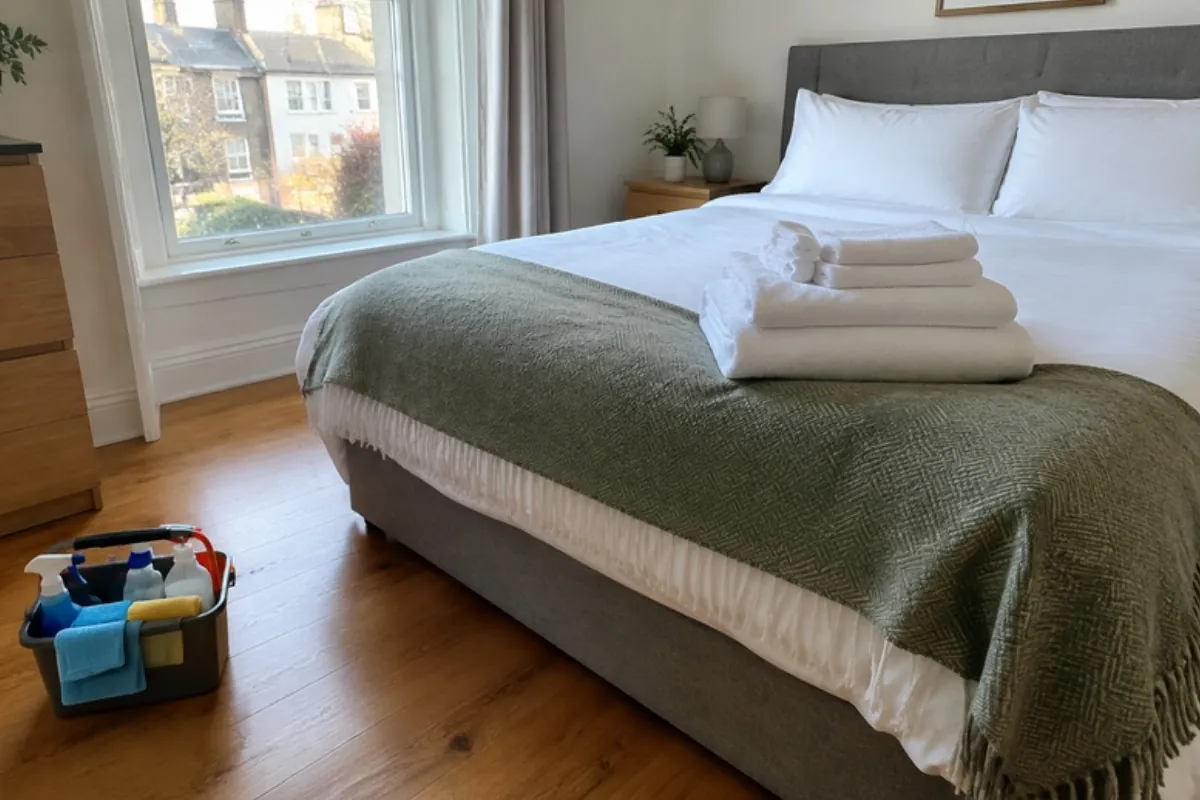
Instead of leasing a property, you look after someone else’s. The owner keeps the property, the risk and the mortgage. You run the listing, the guests, the cleaning and the reviews, and charge a fee for it.
Why management beats arbitrage
- Safer. No lease, no rent to cover in a quiet month.
- Cheaper to start. No bond, no furniture bill.
- Faster to grow. Plenty of owners need help, and good managers are few and far between.
- Better for the housing market. You’re working with owners who’ve already chosen short stays, not turning long-term rentals into short ones.
Several of my students have built multimillion-dollar businesses this way.
There are compliance steps, like any business. Registration where your state requires it. Insurance. A proper management agreement. Clear terms with owners about fees and who pays for what.
It isn’t risk-free either. Bad reviews, a tricky owner or a rule change still hurt. But a lost client costs you a fee, not a lease.
Airbnb co-hosting: an easy way to start
If running a full management company feels big, start smaller.
Airbnb’s co-hosting tools let an owner add you to their listing to help with messages, calendars, pricing or guests. It’s a low-risk way to learn the job, build reviews and find out if you love it.
Most good management businesses start with one owner who trusts you.
Your Next Step
Arbitrage made sense ten years ago. Today it means more cost, more rules and more risk – on a property you’ll never own.
Management uses the same hosting skills, without the lease.
If you want to talk through whether short stays fit your plans – managing for others, or turning a property you already own into a money tree – book a discovery call. We’ll look at your situation and the rules where you live.
Airbnb Arbitrage: Your Questions Answered
Is Airbnb arbitrage legal in Australia?
It can be, but only with your landlord’s written consent, strata approval where it applies, and compliance with council and state rules. In Greater Sydney, non-hosted stays are capped at 180 days a year.
How much does it cost to start Airbnb arbitrage?
Expect bond, furniture, linen, photography and a few weeks of rent before bookings come in. That can easily reach $10,000 to $20,000, and you own none of the property.
What’s the difference between Airbnb arbitrage and Airbnb management?
With arbitrage, you lease the property and carry the rent. With management, the owner keeps the property and you earn a fee for running it.
Do I need a licence to manage Airbnbs?
It depends on your state and how you set up. Check your state’s short-term rental and property agent rules, and get advice before you sign your first owner.